
Our School Ethos – A Passion for Learning and a Love of Life
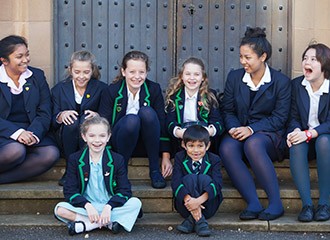
We are a family of leading independent schools for children from 2-18 years. We are united by a shared ethos which is to develop a deep passion for learning and a love of life in our pupils. This ethos underpins everything we do and is at the heart of our school community.
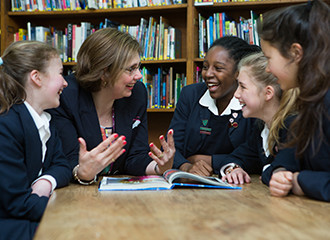
Developing a passion for learning drives our approach to academic development from 2 years right through to 18. We believe that the process of learning should be exciting, challenging, inspiring and rewarding and that when it is, pupils learn more and achieve better results. Our own excellent results are testament to this.
Engendering a love of life means giving our pupils the freedom and the confidence to be who they are; to embrace new challenges and try new things; to discover their individual talents; to respect themselves and others; and to understand the wider world in which they live.
Our pupils past and present are testament to our ethos – they are well rounded, confident and empowered individuals who excel both inside and outside of the classroom and go on to achieve amazing things beyond our family of schools.
Our Values
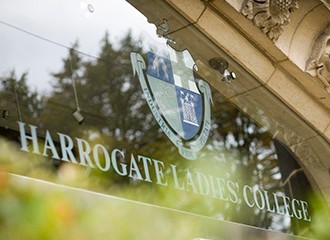
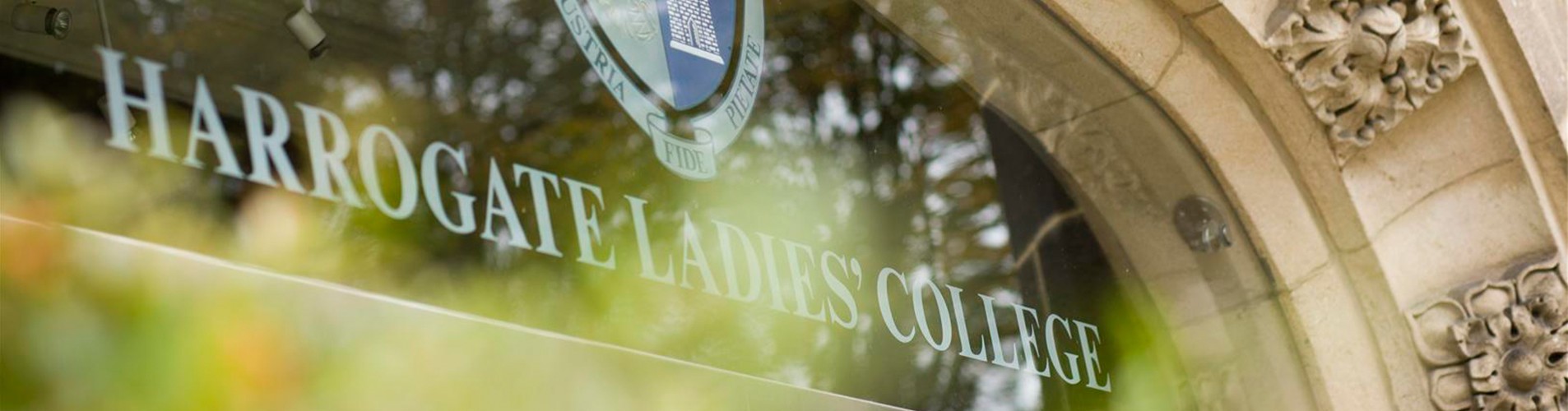
Established over 100 years ago, our school crest displays our core values which are as relevant to us today as they ever were and underpin our ethos:
- INDUSTRIA : Hard working
- FIDE : Trusting and loyal
- PIETATE : Conscientious, dutiful, gentle, compassionate, decent